
 GRADUATE VOICE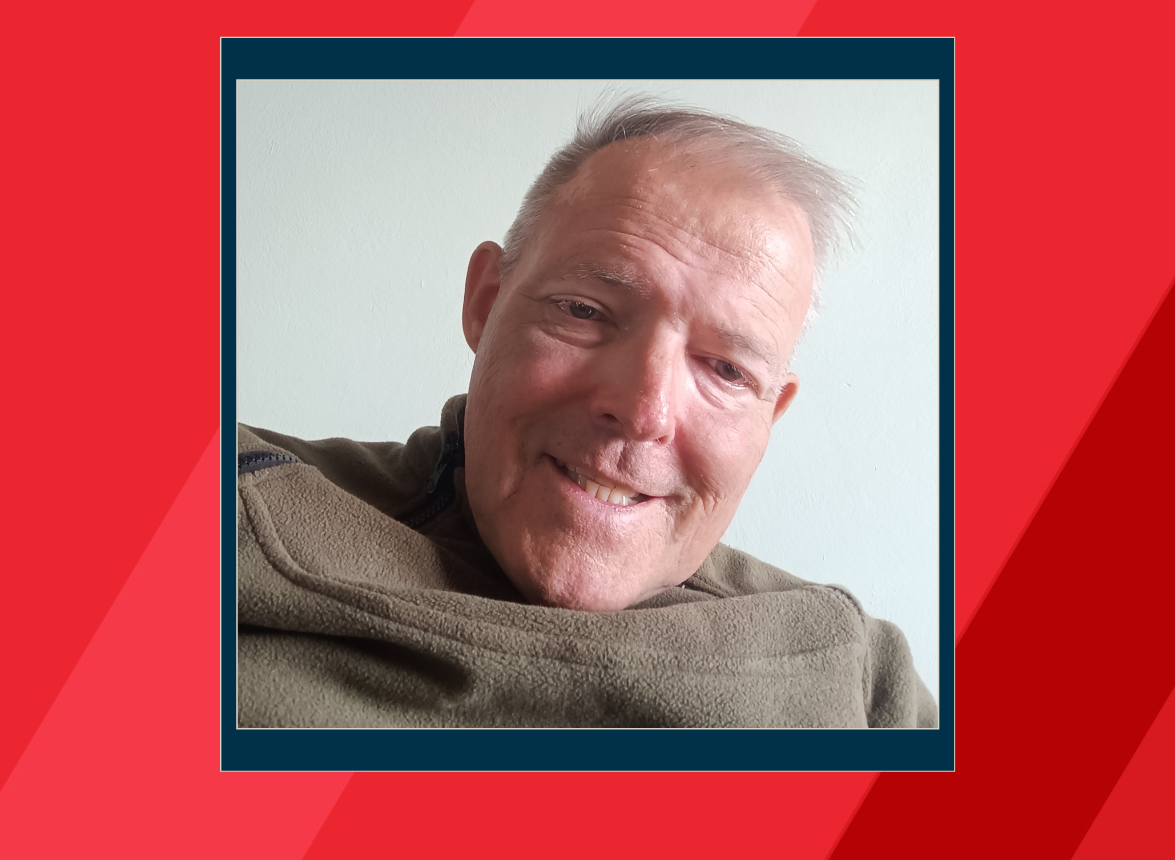
 Twitter
 Facebook
 Google+
 LinkedIn
Choosing where to study is a big decision that can impact the direction of your life and career in ways you might not expect. For Stuart Johnston, deciding to study an MSc in Management Practice came after a recommendation from his employer at the time. Here, he experienced a supportive learning environment and was encouraged to think independently and apply ideas in practice. In this blog, he reflects on his time at Salford and how the confidence and critical thinking he developed have continued to guide him throughout his international career.
What made you choose the University of Salford?
I chose the University of Salford following a recommendation from my employer at the time, Lloyds Banking Group. That endorsement carried weight, but what truly distinguished Salford was the seriousness of its academic approach from the very beginning. The selection process was rigorous and led by the teaching staff themselves, which immediately signalled a strong commitment to academic quality and professional relevance.
What stands out most about your time as a student?
What stands out most about my time as a student is the intellectually demanding yet supportive learning environment. The programme encouraged independent thinking, robust debate and the practical application of theory. Students were treated as emerging professionals, not simply learners, and that expectation raised both confidence and standards. It was an experience that challenged me to think more deeply and critically than I had before.
Tell us about your journey since graduating.
Since graduating in 2002, my career has spanned more than 14 years across multiple countries and sectors. I began in the UK banking industry before moving into the Middle East consulting sector, where I worked on large-scale projects in rapidly developing markets. More recently, I transitioned into academia, spending time in China as an Economics Lecturer.
The MSc from Salford played a central role in enabling this international journey. It became a gateway qualification that provided both credibility and intellectual grounding, allowing me to move confidently across industries and cultural contexts. The analytical and research skills developed during the programme proved transferable and enduring, supporting career progression in diverse and often complex environments.
What’s a moment you’ve felt proud of since leaving Salford?
One particularly proud moment was seeing my MSc dissertation move beyond academia and into real-world application. The research became a valuable reference point for large-scale expansion projects across Dubai, Abu Dhabi, Muscat and Kuwait City, helping to inform strategic discussions and decision-making.
This experience reinforced the value of rigorous academic work and its potential to influence practice at senior levels. It also validated the emphasis Salford placed on applied research, demonstrating how strong academic foundations can translate into tangible professional impact.
What do you do now, and what do you enjoy most about it?
I am currently based in the Sierra Tejeda National Park near Granada, Spain. From here, I am pursuing freelance consultancy projects, writing a new book and teaching English for Academic Purposes (EAP) online to students in China. This portfolio approach allows me to combine structured professional engagement with creative and academic pursuits.
What I enjoy most is the balance and autonomy this work provides. Teaching keeps me connected to emerging talent and global perspectives, writing allows for deeper reflection and synthesis, and freelance projects offer opportunities to apply experience in meaningful, real-world contexts. Together, they represent a natural evolution of my professional journey.
How did your time at Salford help shape where you are now?
Completing my MSc at Salford marked a defining point in my personal and professional development. The programme instilled a strong sense of academic rigour, sharpened my analytical thinking and helped clarify my long-term direction at a critical stage of my career.
Equally important was the confidence Salford fostered: the ability to question assumptions, build evidence-based arguments and engage critically with complex issues. These skills have remained central throughout my work in banking, consulting and higher education, particularly in international and intercultural settings.
Looking back, my time at the University of Salford laid foundations that continue to shape my work today. It was not simply a degree, but the start of an ongoing relationship with learning, inquiry and international engagement.
If you could share one message or piece of advice with current Salford students and recent graduates, what would it be?
My advice would be to stay curious and be willing to move forward without having all the answers. Career paths are rarely linear, and some of the most rewarding opportunities emerge through exploration rather than careful planning.
Do not hesitate to step into unfamiliar environments or roles. The skills you develop at Salford, such as critical thinking, adaptability and intellectual discipline, will travel with you beyond graduation and support you in ways that may only become clear in hindsight.
What is next for you?
I am currently developing a series of guest lectures in Osaka, Barcelona and Tirana focused on Building Resilient Innovators in Modern Organizations. This work draws directly on my professional experience and academic background, continuing the blend of theory and practice that began at Salford.
Thank you to Stuart for sharing his story with us.
If you’d like to share your own Salford journey for our alumni blog, we’d love to hear from you. Please get in touch with the Alumni Engagement team at alumni@salford.ac.uk.