Over the past few months, I have had the incredible opportunity to work as a Biodiversity and Sustainability Intern at the University of Salford. As a graduate in Wildlife conservation and Zoo Biology I was excited to come back to the University and put my knowledge to good use around campus. This role has allowed me to combine my passion for wildlife conservation with practical sustainability work, helping to improve biodiversity both on campus and within the wider community. From supporting bat conservation projects to engaging staff and students through workshops and talks, every day has brought new opportunities to learn and make a positive impact.
Supporting Bat Conservation
One of my key projects involved developing a comprehensive document outlining bat principles and guidelines. This resource was created to support future biodiversity work and ensure that best practice is followed when considering bats and their habitats.
Alongside this, I compiled and consolidated a large collection of ecological documents produced by Amenity Tree, including ecological baseline surveys, bat surveys and Preliminary Ecological Appraisals (PEAs). Bringing all of this information together into a single document created a valuable reference resource that can be used for future planning, ecological management and biodiversity projects.
I also worked closely with a representative from Salford City Council on the River Irwell Project. Together, we explored opportunities to enhance habitats for bats through the installation of bat boxes. My role involved providing recommendations on appropriate box types, identifying suitable locations for installation and discussing how the boxes should be monitored and maintained to ensure long-term success.
Creating Habitat for Hedgehogs
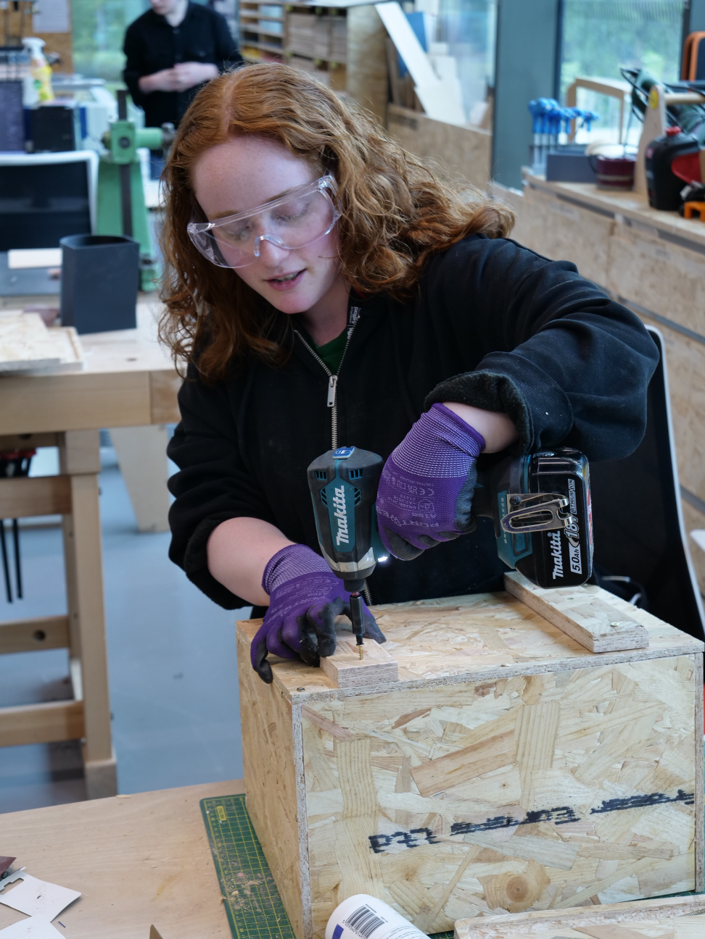
A particularly rewarding experience was organising and participating in a hedgehog house workshop. Working alongside students and woodwork specialists, we built a number of hedgehog houses designed to provide safe shelter for one of the UK’s most loved but declining native species.
The houses were placed around the University of Salford campus in locations that offered suitable habitat and protection. Following the installation, I worked with Dr Holly Broadhurst, a postdoctoral researcher, to set up wildlife cameras around the hedgehog houses. These cameras will help us monitor wildlife activity and gather evidence of how different species are using the new habitats.
Sharing Knowledge About Pollinators
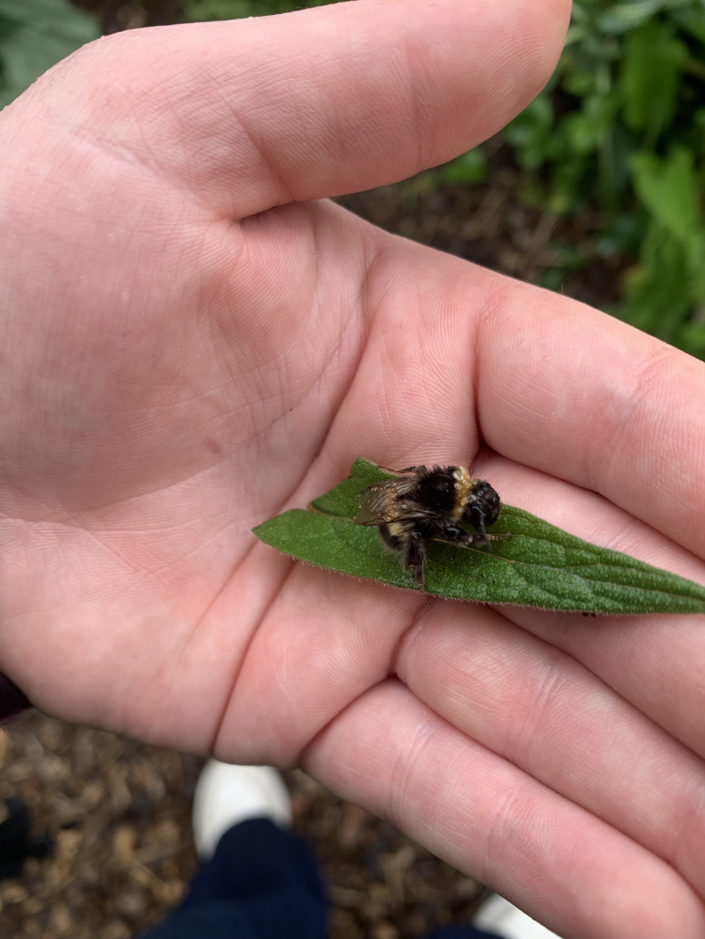
Public engagement formed an important part of my internship. Alongside Zoe Pegg (Environmental Management Assistant), I delivered a staff and student engagement session focused on bees and pollinator conservation. During the session, we discussed the importance of pollinators and guided colleagues around campus to highlight some of the best locations for observing bees and other insects.
We also showcased the University’s bee posts and explained how these features contribute to supporting pollinator populations. It was encouraging to see staff members take such an interest in the biodiversity initiatives taking place across campus.
Building on this work, I also delivered a talk about butterflies and participated in promoting the Big Butterfly Count. Similar to the bee sessions, this involved showing staff and students where butterflies can be found on campus and highlighting the importance of recording and monitoring these species.
Presenting Campus Biodiversity Successes
Communication and collaboration are essential when promoting sustainability. Together with Emma Goodchild (Environmental Sustainability Manager), I delivered a presentation to ERIC, showcasing the biodiversity work taking place across the University campus. This provided an opportunity to highlight ongoing projects and demonstrate how small actions can contribute to wider environmental goals.
I was also proud to independently present the University’s biodiversity initiatives to representatives from Gyeongsang National University in South Korea. Sharing our work with an international audience was a fantastic experience and allowed me to highlight how the University of Salford is creating greener spaces and promoting wildlife throughout the campus environment.
Exploring New Opportunities for Green Infrastructure
Working alongside fellow intern Liaba Tariq (GAP26 Sustainable Energy Intern), I assessed different areas across campus that could potentially support additional living walls, similar to the successful installation on the side of the Cockcroft Building.
Living walls provide numerous environmental benefits, including supporting wildlife, improving air quality and enhancing the visual appearance of urban spaces. This project allowed us to think creatively about how underused areas of the campus could be transformed into valuable habitats for plants and insects.
Building Connections Beyond Campus
As part of the internship, I also visited RHS Garden Bridgewater, where I had the opportunity to network with staff, volunteers and visitors. During my visit, I promoted the University’s community growing space sessions and shared information about the gardening and biodiversity projects taking place on campus.
These conversations helped strengthen connections with people who are passionate about nature conservation and encouraged greater participation in community growing activities.
Reflecting on the Experience
My Biodiversity and Sustainability Internship has been an incredibly rewarding experience. It has allowed me to develop practical conservation skills, gain experience in project management and public engagement, and work with a wide range of partners including Salford City Council, university staff, students and international visitors.
Most importantly, the internship has shown me how collaborative efforts can create meaningful improvements for biodiversity. Whether through supporting bat conservation, creating habitats for hedgehogs, promoting pollinators, or exploring new green infrastructure opportunities, I have been proud to contribute to projects that help make the University of Salford a more sustainable and wildlife-friendly place.
As I look back on my time as an intern, I am grateful for the opportunities I have been given and excited to see these projects continue to grow and support nature for years to come. I’d like to thank all of the estates team for their warm and welcoming attitude, encouragement, and support throughout my internship. The experience has been both enjoyable and rewarding, allowing me to contribute to meaningful projects while developing valuable professional skills.