We’ve gone off grid! Well – some of our buildings have for a short time at least… and we have big plans for the future!
First off, what does going ‘off grid’ mean? (Whatever you’re thinking, we’re not going to have the University in a field in the middle of nowhere!). To start, being ‘on grid’ means that we’re powered directly by ‘The Grid’ (otherwise know as the National Grid), which is how we refer to our UK wide electrical energy network. The network is powered by the various ways in which the UK produce energy and comes from a range of sources combining renewable and fossil fuel derived energy sources.
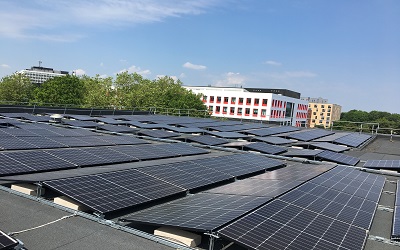
Being ‘off grid’ means that an entity is separate from ‘The Grid’ and generating its own energy to use, essentially becoming self-sufficient. This is what happened in August across several buildings on our campus with SEE Building, NERIC and GMIoT at various points across the month going off grid some for several days.
But how have we managed to go Off Grid? Well, this is for a number of reasons. Firstly, we’re working hard to power our campus with renewable energy and have installed solar panels on Clifford Whitworth Library and GMIoT. In June this year we expanded our solar panels to SEE Building and have plans to add more before the end of the year to Mary Seacole.
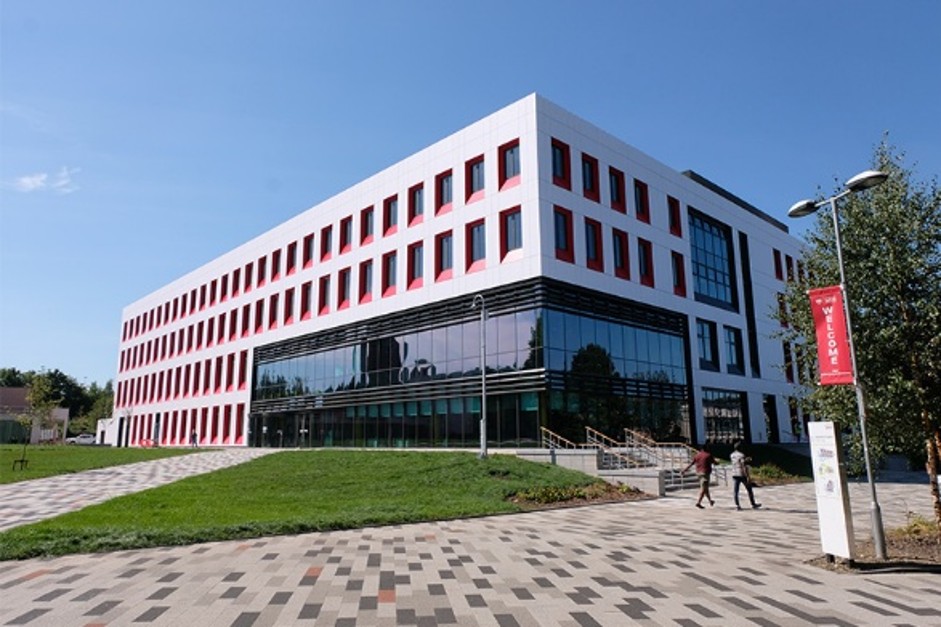
As well as increasing our renewable energy sources, we’ve been actively reducing our energy consumption across campus with the help of our Building Management System (BMS) and good use of controls. There’s also the factor of the age of the buildings we have gotten off grid. As they are newer, they are more energy efficient meaning their energy demand is lower than other older buildings. The time of year also has an impact, with the use of solar panels as a renewable energy source, naturally, sunnier times of the year provide more energy than others. With the heat and sun throughout the summer, we saw an increase in our on campus renewable energy production.
Although this success is for a handful of our campus buildings, it demonstrates the large strides we’ve made at the University in increasing our energy efficiency and renewable energy sources. Having beaten our energy efficiency targets six years ahead of schedule, the work being done across our campus buildings have been monumental in achieving this.
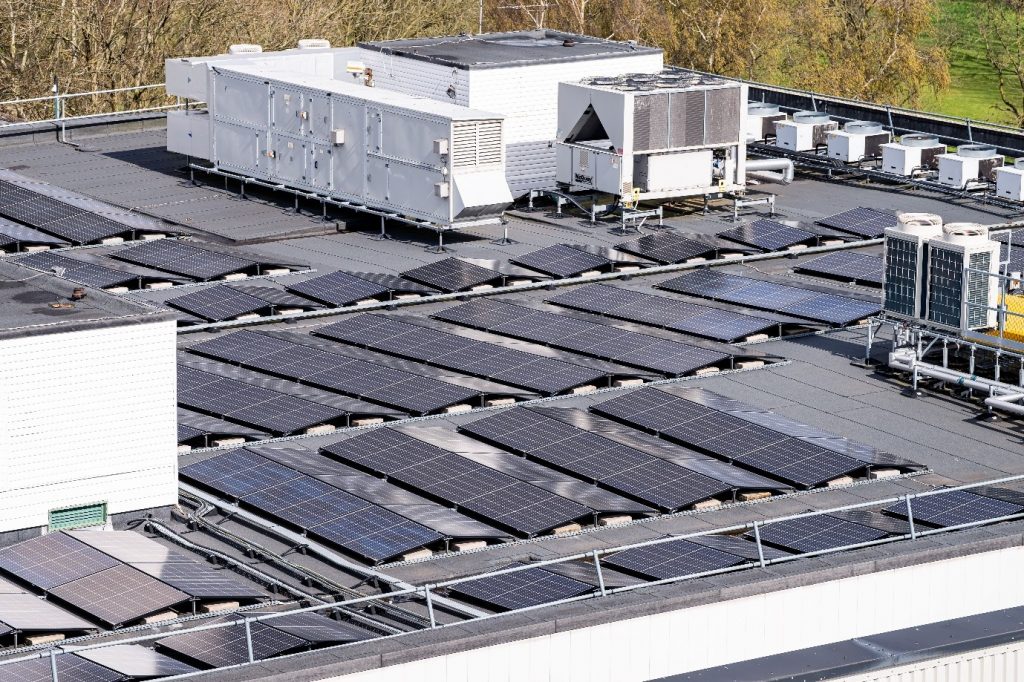
Our ambitions for the future include creating conditions to enable multiple buildings across Peel Park campus to be off grid by Summer 2027. This is through our plans for more solar panels on campus, continued use of our BMS systems and installing more energy efficient technology such as LEDs. By collectively taking action in reducing wasteful energy use across the University, through switching things off (sometimes looking to not turn things on in the first place!), using systems and equipment at capacity and using spaces appropriately we can become 100% renewable and entirely self-sufficient during high sunshine hours.
All this wouldn’t be possible without the dedicated work from our Carbon and Energy Manager, Phil Harris, Assistant Carbon and Energy Manager Olivia Regan and our previous Carbon and Energy Intern Laiba Tariq!