We are delighted to hear from Rod Lister, who graduated in 1967, the year we received our Royal Charter and became the University of Salford
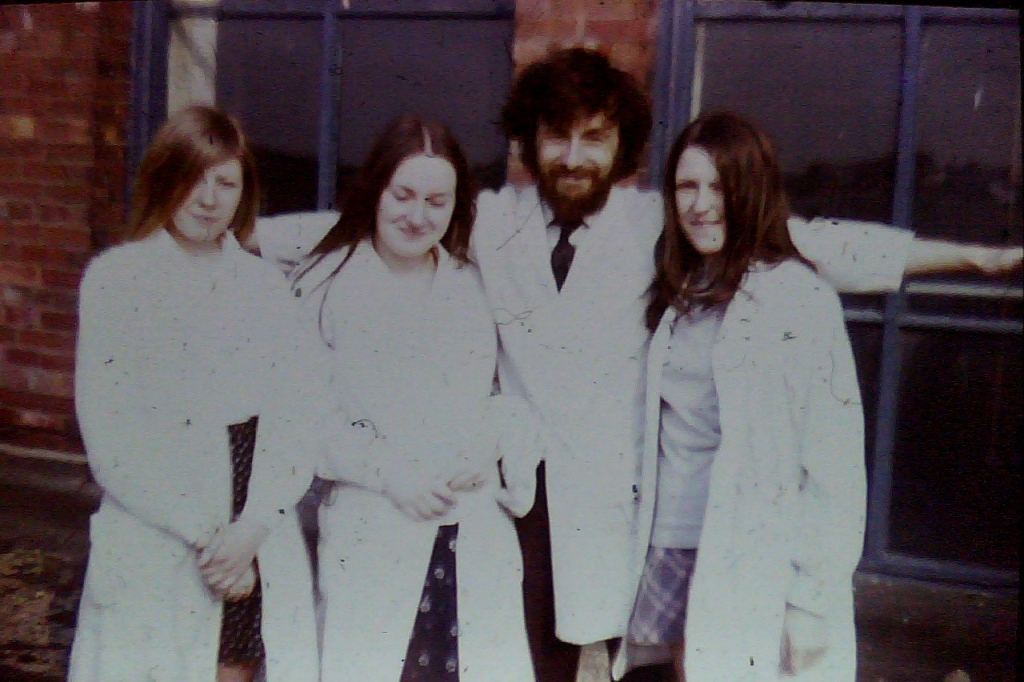
Rod studied a four-year sandwich course in Applied Chemistry (CAOS), before working in the field and then moving into teaching. Rod told us all about his time at Salford, sharing memories and how it feels to be “one of the first” Salford graduates.
What was your proudest memory when studying at the University of Salford?
I am still proud of being one of the first to graduate in 1967 under the University of Salford name when it received its Royal Charter.
I studied Chemistry as I was really inspired by Michael Faraday, the English chemist and physicist. He is a hero within chemistry, as he came from humble roots, was self-taught, and is celebrated for pioneering research into the relationship between electricity and magnetism.
Do you have any favourite memories from your time at Salford?
Of all the things that happened at university, there’s one thing I can remember, which is my final Organic Chemistry paper. One of the questions was on spectra – it looked easy, took me five minutes, and I was confident I got it right.
Over the next few days, people kept asking if I was the person who had answered that question, which made me wonder if I had made a mistake. So, I asked Dr Fitton, who told me I had given the perfect answer and had been given full marks. It turned out to be one of the toughest questions on the paper.
Tell us about your journey since graduating.
I did lab jobs at Anchor in Clayton and Sterling Mouldings in Dukinfield. About the only bit of chemistry that fascinated me was surface chemistry, which I used a lot while working with latex, epoxy resins and all kinds of plastics.
Eventually, I became a manager of one of the five factories at Sterling. My factory oversaw the making of white thermoset moulding powders. At the factory, there were very big old cotton spinning mills that were otherwise useless but perfect for us. I could write a book about all the spillages, fires and accidents that I’ve experienced firsthand.
After some time, I realised that chemists were never reaching the top in the industry; it was always accountants. So, I trained to be a teacher. That is where my career ended, just down the road at Hope High School.
What’s a moment you’ve felt proud of since leaving Salford?
Bringing my biggest inspiration into my teaching. In my classroom, I had a poster of Faraday on the wall next to my blackboard. I cut off his bottom lip and stuck it to a piece of wood hidden behind it so I could make him talk. When somebody answered a question wrongly, I could pull the stick and attempt some ventriloquism!
What do you do now, and what do you enjoy most about it?
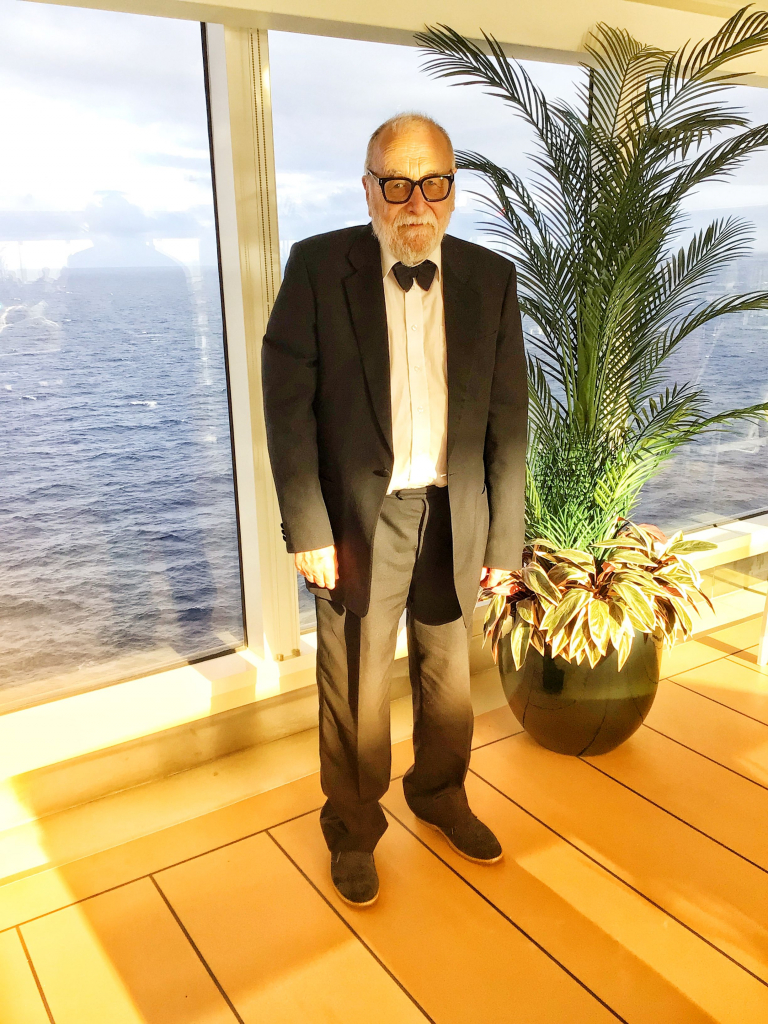
My wife and I like singing, as a long time ago we fell in love on the stage. I have actually had a bit of success writing and painting. My last job since retiring was as a deputy assistant caretaker at Whitby Museum, and I worked Saturdays at a bakery, which is the hardest work I’ve ever done.
How did your time at Salford help shape where you are now?
Training to be a chemist at Salford shines through in my everyday life, as I’ve always been in charge of the kitchen. I love messing around in there, and I always tidy up as I go, just like in the University labs. I always annoy my daughter-in-law, who is a chef, because I say chemists are much cleaner than chefs!
If you could share one message or piece of advice with current Salford students and recent graduates, what would it be?
You will never know everything, so give yourself a break.
Thank you to Rod for sharing his story! If you’d like to share your Salford story, we’d love to hear from you – get in touch at alumni@salford.ac.uk.